
How to create an onboarding process? The steps to create an onboarding process are the following:
- Step #1. Determine what new hires need to know
- Step #2: Outline logistical requirements
- Step #3: Determine who new hires should meet
- Step #4: Create an onboarding schedule/timeline
- Step #5: Make the hire official
- Step #6: Pre-first day planning
- Step #7: First day/week
- Step #8: First 30-90 days
- Step #9: Onboarding follow-ups
- Step #10: Continuous learning and development
Let’s dive deep into each of these steps and how you can create a new employee onboarding program for your organization.
Step #1. Determine what new hires need to know
Understand the role requirements
The first step in designing an effective onboarding process is to clearly outline what new hires need to know to perform their roles effectively. This involves a detailed discussion between hiring managers and team leaders to list down all the key information, skills, and knowledge that are essential for the role. Identifying these specifics not only helps in tailoring the onboarding process but also ensures that new hires can contribute effectively from the start.
Set clear goals and expectations
Setting clear goals and expectations for the first few months is crucial. It guides the new team member through their initial period at the company with a clear understanding of what they need to achieve. Goals should be specific, measurable, attainable, relevant, and timely (SMART). This clarity helps remote employees understand their trajectory within the company and aligns their efforts with the company’s objectives.
Incorporate essential resources
Include necessary resources such as the employee handbook, which provides a comprehensive overview of company policies and procedures. It’s important that new hires understand how internal processes work, especially how team processes are handled.
For remote employees, understanding communication tools and project management systems they will use is vital. These tools are often central to how daily tasks and long-term projects are managed, so proper training on these platforms should be a key component of the onboarding process.
This foundational step of the onboarding process is designed to integrate new hires into the company seamlessly, making them feel valued and prepared to take on their new roles. Properly executed, it sets the stage for successful and productive tenure at the company.

Step #2: Outline logistical requirements
Prepare essential paperwork
A crucial part of the onboarding process involves preparing all necessary paperwork that new hires need to complete before they can officially start working.
This includes tax forms, employment contracts, and policy documents that align with human resources guidelines. Ensuring that these documents are prepared and organized beforehand helps streamline the entire process, making it easier for both the new hire and the HR team.
Storing these documents in one central location, digitally or physically, will also facilitate quick access when needed.
Set up the workstation and tools
Setting up a workstation involves more than just physical space; it includes ensuring that the new employee has all the necessary office supplies, equipment, and access to required software and systems.
For remote employees, this step includes arranging for the delivery of necessary hardware like laptops or monitors, and ensuring they have proper access to virtual tools and platforms. Each workstation should be fully equipped with the tools the team member needs to start working from day one.
This setup should aim to replicate the efficiency of an in-office environment to foster productivity and ease of access to all necessary resources.
Step #3: Determine who new hires should meet
The early stages of onboarding should include determining who the new hires should meet to help them understand the organization’s culture and how their role fits within the broader team structure.
HR departments often collaborate with hiring managers to create a list of essential personnel that new employees should connect with during their first few weeks. This list typically includes direct team members, department heads, and key cross-functional partners who will interact regularly with the new hire.
Plan structured introductions
Once the key individuals are identified, plan structured introductions. This could be through scheduled meetings as part of the onboarding plan, where new hires can learn about their colleagues’ roles and how their work processes interconnect.
These introductions help new employees build a professional network within the organization and gain a clearer understanding of whom to approach for specific needs or questions.
Implement a mentorship or buddy system
Assigning a mentor or buddy can significantly enhance the onboarding experience. This person acts as a go-to resource for the new hire, helping them navigate the organization and its culture, understand internal processes, and provide support during the initial adjustment period.
The mentor or buddy is typically an experienced team member who can offer insights and guidance, ensuring the new employee feels welcomed and valued from the start.
Step #4: Create an onboarding schedule/timeline
Creating an effective onboarding schedule begins before the employee’s first day to ensure they step into their new role feeling prepared and welcomed. Ideally, onboarding should start with pre-arrival communications that include an introductory package detailing the company culture, the team they’ll be joining, and an outline of what their first week will look like. This proactive approach helps mitigate any anxiety about the new job and sets the stage for a smooth transition.
The timeline for onboarding can vary significantly depending on the complexity of the role and the specific needs of the organization, but it generally spans from a few weeks to several months. During this time, it’s important to integrate structured training sessions that are crucial for the new hire’s role, alongside setting up one-on-one meetings with their manager or mentor. These meetings are key to building a relationship based on mutual respect, providing feedback, and addressing any questions that may arise.
Incorporating social interactions, such as a team lunch, during the first week is also beneficial. It helps the new employee build informal relationships with other team members and feel part of the team. Additionally, these less formal gatherings can often provide insights into the team’s dynamics that aren’t as visible in formal settings.
Milestones should be clearly established from the outset to help both the employer and the new hire gauge the success of the onboarding process. These might include the completion of initial projects, mastery of key job responsibilities, or positive interactions with clients. These milestones serve as important indicators of the new hire’s growing comfort and competence in their role.
Overall, a well-planned onboarding schedule ensures that new hires have a thorough understanding of their job duties, the company culture, and how they fit within the team, setting them up for success in their new position.
Step #5: Make the hire official
Making the hire official is a crucial step in the onboarding process and marks the transition from candidate to team member. This phase begins once the decision to hire is made, involving several key actions to ensure everything is set for the new employee to start their role.
Initially, if required by the job description or company policy, completing background checks is necessary to confirm the suitability and integrity of the candidate. This is a common practice that helps maintain workplace safety and trust, and is typically aligned with the standards set during the recruiting process.
Once the background checks are clear, the next step is to send the official job offer letter along with any relevant new hire paperwork. Using a standardized offer letter format helps ensure that every offer clearly outlines important details such as compensation, benefits, and terms of employment, maintaining consistency and transparency throughout the hiring process.
This paperwork often includes forms related to tax details, benefits enrollment, and other employment-related documentation that needs to be filled out and returned before the individual can commence work. It’s important that these documents are comprehensive and clear, outlining all necessary details about the job role, compensation, benefits, and other employment terms that were agreed upon. This helps in setting clear expectations and ensures both parties are on the same page.
This formal job offer and subsequent paperwork serve not only as a formal welcome to the new employee but also cement the legal and practical foundations of the employment relationship.
This stage is integral to effective employee onboarding, as it wraps up the hiring process and sets the stage for the new hire orientation, where the employee will start to engage with their new role and team. Ensuring that this process works smoothly and efficiently can significantly impact the new hire’s initial perception of the organization and their role within it.
Step #6: Pre-first day planning
Pre-first day planning is an essential part of the employee onboarding process, setting the stage for a new hire’s introduction to the company. This step involves several key actions to ensure that the new employee feels welcomed and prepared from day one.
It begins with setting up their workstation, ensuring that all necessary equipment and supplies are in place. This physical setup is crucial as it directly impacts the new employee’s comfort and productivity.
In addition to preparing their physical space, it’s important to set up all required accounts. This includes email, access to company databases, communication tools, and any other systems they will need to use in their role. Sending introductory emails to the team introducing the new hire before they start is also beneficial. These introductions can help build initial connections and make the new employee feel expected and welcomed.
Another key component of pre-first day planning is sending a welcome package to the new hire. This package should include a detailed agenda of their first few days, contact information for key team members, and an onboarding checklist that outlines all the activities and training sessions planned for them.
This not only helps streamline their first days but also actively engages them in the process, boosting their job satisfaction and commitment to the company.

Step #7: First day/week
The first day and week are pivotal in the effective employee onboarding process, setting the tone for the new hire’s experience and integration into the company. During this initial period, it’s crucial for HR professionals to ensure that the new employees feel welcomed and well-informed.
The onboarding process begins with a comprehensive tour of the workplace. This step is essential as it helps the new hire familiarize themselves with their new environment and locate essential resources such as the break room, restrooms, and emergency exits. Providing a physical orientation of the space also helps to alleviate any first-day anxiety and makes the new employee feel more comfortable.
In the case of doing a virtual onboarding process, it’s important to distribute any necessary resources that the new hire will need. This includes access to onboarding software, where they can find digital copies of company policies, training materials, and other important documents. These resources are crucial for helping new hires understand their roles and responsibilities.
Next, reviewing the company culture, values, and policies is fundamental. This conversation lays the groundwork for what the company expects from its employees and what the new hires can expect from the company. Understanding the company’s values and policies from the start ensures that new employees can align themselves with the company’s ethos and contribute positively.
Lastly, introducing the new hire to their team and starting their training are essential steps. These introductions can be formal or informal, but they should aim to build a sense of community and teamwork. Starting training during the first week is also crucial as it helps new employees quickly gain the skills necessary for their roles, promoting a sense of competency and confidence.
Step #8: First 30-90 days
The first 30-90 days of a new employee’s tenure are critical for reinforcing the foundations laid during their initial days and weeks on the job. This period is distinct from the initial onboarding days, which focus primarily on orientation and initial training. The subsequent months are about deepening the new hire’s understanding of their role and integrating them more fully into the team and company culture.
Continued training and skills development
During this extended phase of the new employee onboarding process, the focus shifts from basic training to more in-depth skills development. This part of the employee onboarding aims to build upon the initial knowledge the new hire has gained and apply it more broadly to their specific job functions.
It’s about transitioning from “learning to do the job” to “improving how to do the job efficiently.” Providing ongoing training opportunities ensures that the new employees can continue to grow their skills and contribute more effectively to the organization.
Regular check-ins, feedback, and progress reviews
A strong onboarding process includes regular check-ins with new hires to discuss their progress and any challenges they might be facing. These meetings are crucial for maintaining open lines of communication and for adjusting onboarding programs as needed.
Feedback during these sessions should be a two-way street, with HR professionals or managers providing constructive feedback on performance and new hires sharing their experiences and needs. This ongoing dialogue is essential for ensuring job satisfaction and for making any necessary adjustments to their training and development plans.
Assigning meaningful tasks and responsibilities
To solidify the hiring process’s effectiveness, it is important that new employees are gradually assigned meaningful tasks and responsibilities that reflect their growing capabilities. This step not only enhances the new hire’s engagement with their work but also helps them to see the impact of their contributions to the company. Assigning increasingly significant tasks helps reinforce the employee’s role within the team and supports their confidence and professional growth.
Together, these activities within the first 30-90 days are crucial for ensuring that new hires feel valued, supported, and motivated to succeed. A robust and responsive employee onboarding strategy during this time can significantly influence a new hire’s long-term satisfaction and success within the company.
Step #9: Onboarding follow-ups
After the initial 30-90 days of the new hire’s integration, the onboarding process transitions from structured training and frequent check-ins to a new phase. This stage focused more on long-term development and consolidation of the employee’s role within the company.
This stage is distinct from earlier steps, which are designed to equip new team members with the immediate skills and knowledge needed to perform their jobs. Now, the focus shifts towards enhancing their understanding of deeper company strategies, expanding their professional skills, and fostering a sense of belonging and loyalty, which are crucial for long-term employee retention and engagement.
During this period, it’s important that the HR department and direct managers continue to support the new hires by moving beyond the formal onboarding program. This might include finalizing any outstanding hire paperwork, but the main focus should be on integrating the new employee into the company culture more fully. This includes providing opportunities for increased responsibility and more direct involvement in projects that affect the business’s core operations.
Direct managers play a crucial role at this stage by serving as mentors and guides. They should ensure that the new hires feel valued and understood, and that their contributions to the team are recognized. This ongoing support from direct managers helps to solidify the bond between the new employee and the company, enhancing employee engagement and satisfaction.
Furthermore, the HR department should continue to monitor the effectiveness of the onboarding process by soliciting feedback from new hires about their experiences. This feedback is vital for the HR team to refine their onboarding strategies and improve the hiring process, ensuring that future employees benefit from an ever more effective onboarding process. This continuous improvement cycle is key to maintaining high levels of employee engagement and retention, ultimately contributing to the overall success of the organization.
Step #10: Continuous learning and development
The final phase of the new hire onboarding process, which focuses on continuous learning and development, is distinct from previous steps primarily because it shifts from initial job training and integration to long-term professional growth and career development. This stage is designed not just to help new hires perform their current roles but also to prepare them for future opportunities within the company.
Unlike earlier phases that might focus heavily on onboarding checklists, mastering immediate job responsibilities, or navigating the company culture, this stage extends the onboarding timeline into the entirety of an employee’s career at the company. The emphasis is on providing ongoing training opportunities through methods like online training modules and mentoring programs. These resources are vital for keeping the skills of new hires up-to-date and relevant, ensuring they continue to contribute effectively as the business evolves.
Furthermore, this phase involves regular discussions about career pathing and growth, which help to personalize the employee’s experience and engagement with the company. These discussions are crucial as they align the company’s needs with the employees’ career aspirations, fostering mutual satisfaction and retention. Managers play a crucial role in this process, often providing guidance and support through formal reviews and informal check-ins.
This ongoing engagement and investment in an employee’s professional development underscore the difference from initial onboarding stages that typically focus on the basics of job functions and company policies. It highlights the transition from doing a great job onboarding new team members to ensuring their continued growth and satisfaction within the company. This approach not only enhances the capabilities of individual employees but also bolsters the overall talent pool of the organization, contributing to its long-term success.
Final Thoughts on How to Create an Onboarding Process
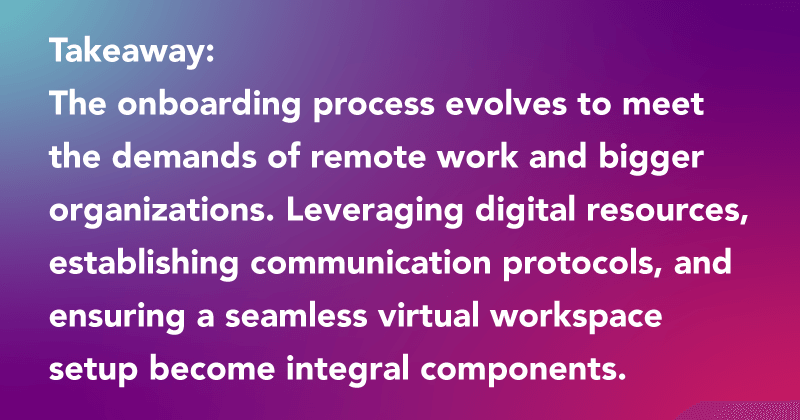
Creating an effective onboarding process is crucial for setting up new hires for success from their first interaction with your organization. This article has walked you through a comprehensive approach on how to create an onboarding process that not only covers the administrative basics and initial training but also extends into continuous development and career pathing.
The key takeaway is that a well-structured onboarding process significantly enhances employee satisfaction, retention, and overall productivity. It ensures that new hires are fully integrated into the company’s culture and prepared to contribute effectively to their teams.
For businesses looking to implement such dynamic onboarding processes, especially those seeking top talent from Latin America, Virtual Latinos offers a powerful solution. We specialize in connecting HR teams with top-tier HR virtual assistants, virtual recruiters, and many other roles essential for streamlining your HR operations.
Our professionals are well-versed in modern onboarding techniques and can bring invaluable support to your HR department, helping you craft an onboarding experience that new hires will find both welcoming and empowering.
Virtual Latinos can help you find the right talent to enhance your team’s capability and ensure your onboarding process is as efficient and effective as possible. Contact us today for a free consultation and discover how we can assist you in building a stronger, more prepared workforce.