
Employees are the most valuable asset of any organization, and stakeholders should always keep that in mind.
Reducing hiring bias and embracing diversity helps bring in team members with different perspectives, backgrounds, and experiences.
This variety fosters more significant innovation and resilience within the workforce, making the organization more adaptable and creative in solving challenges.
According to the World Economic Forum’s Diversity, Equity, and Inclusion (DEI) program, focusing on diversity is essential for building resilience and achieving fair economic outcomes in today’s rapidly changing world.
While diversity and inclusion are priorities for many companies, the real challenge is ensuring more fair hiring processes.
The good news is that virtual recruiters and AI tools can significantly reduce hiring bias while making recruitment more efficient. But how do they achieve this?
Let’s explore the strategies and tools that virtual recruiters use to eliminate bias and build more inclusive teams.
What is Bias in Hiring?
Hiring bias happens when recruiters unfairly evaluate candidates because of unconscious preferences or systematic exclusion.
Common biases include affinity bias (favoring similar candidates), gender bias, racial bias, and educational bias. These biases can prevent companies from attracting top talent, stifle innovation, and damage their reputation.
Prejudices in hiring processes often cloud judgment, leading to poor decisions that harm diversity and growth.
Eliminating hiring bias is not simply a matter of ethics but a critical step in constructing forward-thinking, adaptable teams that thrive in a dynamic environment.
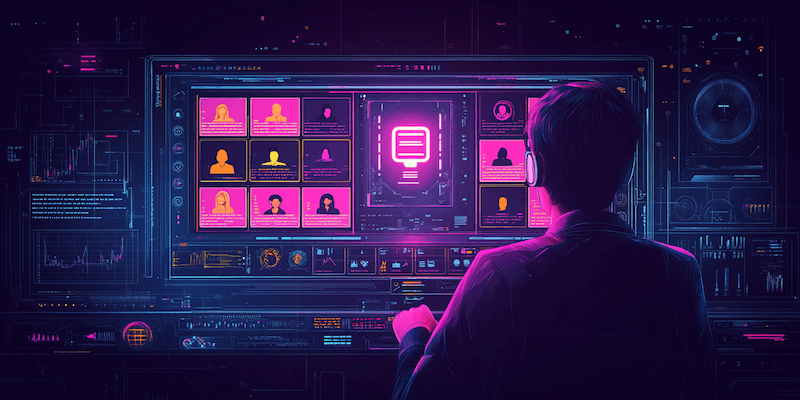
The Diversity, Equity, and Inclusion (DEI) approach
The Diversity, Equity, and Inclusion (DEI) strategy aims to create a fair and dynamic workplace by focusing on three fundamental principles:
- Diversity: Focuses on the variety of people in the workplace, considering aspects like gender, age, ethnicity, and abilities. It answers the question: Who is represented?
- Equity: Ensures fair treatment, adjusts practices to account for individuals’ unique circumstances, and ensures that identity doesn’t determine opportunities or outcomes.
- Inclusion: This is about how people feel within the workplace. It emphasizes creating an environment where everyone can contribute meaningfully and feel valued.
Benefits of Diversity in the Workplace
Diversity and inclusion aims to create a company that welcomes people from all backgrounds, values, and experiences. It’s about building a workplace where everyone feels respected, accepted, and appreciated for who they are.
This approach fosters a positive workplace and drives better business results. According to data from the Confederation of British Industry:
- Companies with greater gender diversity in executive teams are 25% more likely to outperform their competitors in profit.
- Companies with cultural and ethnic diversity in executive teams are 36% more likely to achieve more robust financial performance.
- Employees who feel a sense of belonging can boost their work performance by up to 56%.
The Adecco Foundation and McKinsey highlight additional benefits:
- Creativity and innovation: Diverse teams offer a variety of perspectives, which enhances flexibility, creativity, and adaptability in the workplace. When gender and ethnic diversity are present in executive teams, it improves decision-making, innovation, and overall business success.
- Access to new markets: A diverse workforce allows companies to better connect with various audiences, which helps expand business opportunities.
- Crisis prevention: Diversity broadens a company’s perspective, helping to prevent reputational risks by ensuring actions and messaging are more inclusive and reflective of different communities.
- Internal and external reputation: A diverse workforce enhances employer branding. Employees appreciate working in an environment where talent matters, improving external reputation by attracting new talent, and turning employees into brand ambassadors.
- Boosting Corporate Social Responsibility (CSR): Embracing diversity also strengthens corporate social responsibility (CSR) efforts, fostering a more inclusive and tolerant world where differences are valued as a positive force for good.
- Resilience after COVID-19: The pandemic has tested companies’ commitments to Inclusion & Diversity (I&D). Some businesses view I&D as essential for recovery, while others downplay its importance. Those who maintain a focus on I&D are likely to emerge stronger from the crisis.
Key recommendations for companies
To achieve business success, it’s essential to recognize that more than diversity is required. Including individuals from various backgrounds and with different perspectives is critical.
Employees must feel valued and included for diversity to positively impact the company.
- Diverse talent representation: Enhance the representation of individuals from various backgrounds, such as race, gender, ethnicity, and sexual orientation, in key leadership positions within the organization to foster a truly inclusive and equitable environment.”
- Leadership accountability for I&D: When implementing strategies for inclusion and diversity (I&D), it is crucial to reinforce leadership accountability for driving and promoting an inclusive and diverse workplace culture. This can be achieved by setting clear expectations, establishing measurable goals, holding leaders accountable for progress, and fostering a culture of transparency and accountability.
- Transparency in promotions and pay: Ensure that all employees have equal opportunities for career advancement and are compensated fairly based on their contributions and performance.
- Culture of openness: Create a work environment that encourages open communication and actively works to identify and address any microaggressions to ensure a respectful and inclusive workplace for all employees.”
- Sense of belonging: Foster an environment where all employees feel welcome, valued, and respected, regardless of their background, beliefs, or identity. Promote an organizational culture that embraces diversity, encourages open communication, and provides equal personal and professional growth opportunities.
The Role of Virtual Recruiters in Reducing Hiring Bias
Hiring bias can occur when the right recruiters are not involved, or the recruitment process lacks a focus on diversity and inclusion.
There are two common types of hiring:
- Conscious bias: Occurs when interviewers are aware of their preferences or dislikes toward certain people, known as explicit bias. For example, an interviewer might favor candidates from their own university and disregard others without valid reason.
- Unconscious bias: This is more subtle and occurs when interviewers unknowingly rely on intuition, often shaped by deep-rooted stereotypes. For instance, they may favor male candidates for technical roles, even when female candidates have equal or superior skills.
It’s important to work with skilled recruiters to reduce hiring bias. Virtual recruitment agencies are especially effective, providing access to diverse talent and using strategies that ensure fair hiring practices.
Latin America is a top region for virtual recruitment, offering U.S. and Canadian clients diverse and accessible talent options.
Here’s how recruitment agencies use strategies and tech tools to reduce bias:
Using Artificial Intelligence (AI) and algorithms for initial selection
Virtual recruitment agencies and recruiters are increasingly using AI in the hiring process to screen candidates, providing several clear benefits:
- Bias reduction: AI focuses on candidates’ skills, minimizing subjective judgments.
- Process consistency: It ensures a fair and uniform process where all candidates are evaluated equally.
- Improved diversity: AI tools analyze diversity metrics like gender and ethnicity to enhance inclusion.
- Data-driven decisions: By relying on objective data, AI reduces unconscious bias, resulting in fairer hiring practices.
Structured interviews and fair assessments
Structured interviews are a vital tool for minimizing bias in the recruitment process. Virtual recruiters use a standardized set of questions when interviewing all candidates, ensuring that comparisons are made fairly and objectively.
This approach helps create a level playing field for all applicants and increases the likelihood of selecting the most qualified candidates.
To further improve the fairness of evaluations, recruiters often use skills assessments tailored to the job requirements, which provide consistent and reliable data about a candidate’s skills.
Expanding the candidate pool
Virtual recruitment agencies access a global talent pool, breaking down geographic, cultural, and socioeconomic barriers that often limit traditional hiring processes.
This expansion allows companies to consider a broader range of qualified candidates, promoting diversity.
Reducing unconscious bias through training
Virtual recruiters frequently offer specialized training to help identify and reduce unconscious biases in the hiring process.
These programs provide recruiters with the tools and awareness to make impartial decisions, ensuring a fairer and more inclusive hiring process.
Data analysis and continuous feedback
Recruitment agencies use data analysis to monitor hiring trends, adjusting processes to ensure fairness.
Major companies like Microsoft and Unilever already use these tools to prevent the accidental exclusion of certain groups, and they have proven their effectiveness.
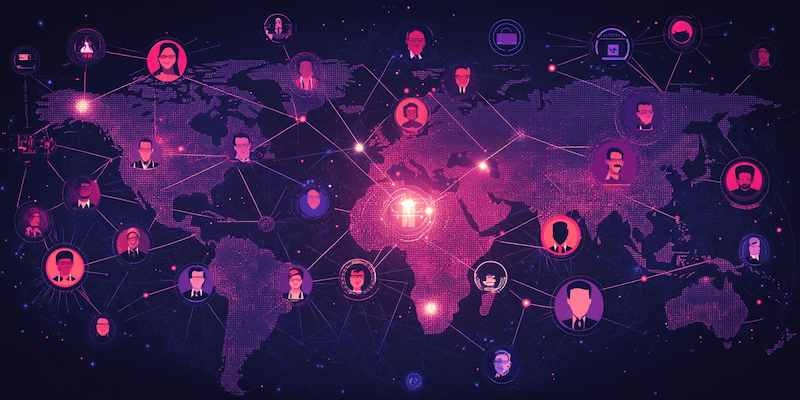
How virtual recruiting helps on reducing hiring bias
Expanding the talent pool and eliminating the need for in-person interviews helps ensure a more fair and inclusive hiring approach.
- Location bias: Virtual hiring eliminates the need for physical proximity, allowing remote candidates to compete equally.
- Proximity bias: Reduces the preference for in-person candidates, focusing on qualifications.
- Affinity bias: Limits subconscious preference based on shared backgrounds.
- Confirmation bias: Encourages objective evaluations, reducing preconceived judgments.
Final Thoughts
Reducing hiring bias through virtual recruitment extends beyond the hiring process. Focusing on diversity creates a more inclusive, innovative, and collaborative workplace.
Virtual recruiters are vital in addressing bias using AI, advanced tools, and remote solutions to build diverse, equitable teams.
By doing so, companies can drive innovation, attract top talent, and cultivate a dynamic, resilient workforce.
Virtual Latinos is a specialized agency that connects companies in the U.S., Canada, and beyond with talented Latinos. It focuses on building long-term relationships between clients and virtual assistants.
If your company is serious about reducing hiring bias and building a more diverse team, partnering with Virtual Latinos is the next step.