
If you’re looking to hire someone from another country, your next star employee might not live in your city—or even your time zone.
As remote work becomes the norm, global hiring is helping companies access niche talent, reduce costs, and stay ahead of the competition.
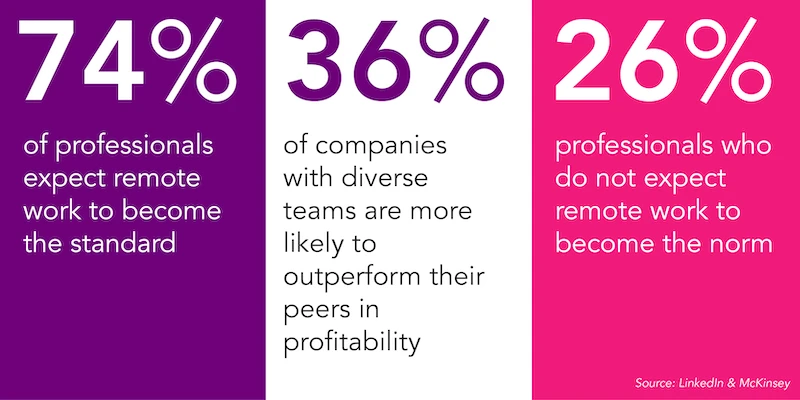
This shift isn’t just a trend. According to LinkedIn’s Future of Recruiting 2024 Report, 74% of professionals expect remote work to become standard, and businesses are increasingly tapping into international talent pools to build stronger, more agile teams.
The results speak for themselves: companies with diverse teams are 36% more likely to outperform their peers in profitability, according to McKinsey. Global hiring not only expands your reach—it enhances your bottom line.
If you’re ready to unlock the benefits of a global workforce, this step-by-step guide will show you exactly how to do it—legally, efficiently, and successfully.
What are the steps to hire international employees?
Hiring international employees requires that you complete a series of steps that includes:
- Establish your hiring requirements
- Research the country’s local laws and regulations
- Determine the right work visas or permits in case it’s remote work
- Create a compelling job description
- Choose the right recruitment channels
- Conduct effective interviews and assessments
- Make a job offer and negotiate the terms
- Assist with relocation or virtual onboarding
- Ensure compliance with tax and employment laws
- Foster inclusion and cultural integration
Step 1: Establish your hiring requirements
Before starting the hiring process abroad—especially when outsourcing to Latin America—the first step is to define your hiring requirements clearly.
Identify the roles, responsibilities, and whether you’re seeking specialized talent, cost savings, or both. Hiring from regions with lower labor costs, such as Latin America, is often a strategic advantage.
Evaluate if the position is suitable for a remote worker to expand your access to global talent and build effective virtual teams.
A clear definition of skills, experience, and cultural fit will help you attract the right people for your international workforce.
Step 2: Research the country’s local laws and regulations
Investigate the labor laws and tax obligations of the country where you plan to hire foreign talent. Laws vary significantly across the global market and may require you to set up a local entity to employ someone legally.
Focus on issues such as payroll taxes, remote work regulations, and mandatory health insurance.
If you’re not familiar with local legal frameworks, consider consulting that country’s department of labor.
Early research helps you avoid legal pitfalls and ensures you expand your team while maintaining compliance.
Step 3: Determine the right work visas or permits in case it’s a remote work hire
Whether you’re hiring in-office or remotely, securing the correct work visa or local employment permit is essential.
Reach out to the foreign country’s citizenship and immigration services for guidance on visa categories.
Even for remote roles, local laws may require formal recognition of the employee’s status. Getting this right is crucial to ensure your international team members are legally authorized to work and contribute to your global workforce without interruption.
Step 4: Create a compelling job description
A well-crafted job description helps you stand out in the global market. Define responsibilities, qualifications, and highlight benefits—like remote work options, flexibility, and health insurance.
Whether you’re hiring international employees as independent contractors or full-time staff, this document is your first chance to communicate company culture and expectations.
Remember, a well-crafted job description is a pivotal tool in the hiring process, helping your company hire the best talent by clearly communicating the role, expectations, and culture of your organization.

Step 5: Choose the right recruitment channels
Use regional job boards and platforms where international candidates are actively searching. Look into how to pay contractors or full-time employees in those regions.
You may also consider a professional employer organization (PEO) or virtual assistant agency to streamline talent sourcing.
Additionally, if you’re looking for specialized roles, such as virtual assistants, partnering with a virtual assistant agency can provide access to pre-vetted talent.
These strategies ensure you reach the most suitable candidates, enhancing your recruitment efforts for international positions.
Step 6: Conduct effective interviews and assessments
Create a hiring process that supports international evaluations. Use tools that accommodate different time zones and allow for virtual testing or skill assessments.
If working through an employer of record such as Borderless AI, clarify responsibilities and employment structure early on to avoid confusion.
Use niche job boards focused on remote and global talent to attract candidates with the right skill sets.
Step 7: Make a job offer and negotiate the terms
Understand the local tax laws, salary benchmarks, and legal hiring requirements—including work visa needs, especially if relocation is required.
Partnering with an employer of record can simplify international hiring and help you stay compliant.
A global payroll solution can also streamline cross-border payments and ensure your team is compensated in accordance with local laws.
During negotiations, be transparent about salary, hours, benefits, and expectations to build trust and set a solid foundation.
Step 8: Assist with relocation or virtual onboarding
Assisting with relocation or virtual onboarding is a critical step when hiring employees from abroad, especially when hiring foreign workers who will move to your country.
For remote employees, invest in a smooth virtual onboarding program that introduces your culture, tools, and expectations.
Supporting your international employees from day one reinforces their decision to join and contributes to stronger virtual teams.
Step 9: Ensure compliance with tax and employment laws
When you hire foreign employees or contractors, understanding your legal obligations is essential. Issues like permanent establishment may affect your company’s exposure to local tax and labor laws.
Use an employer of record to navigate foreign labor certification, payroll, and compliance, especially in countries where you don’t have a legal entity.
This step protects your company and ensures your global team operates legally and securely.
Step 10: Foster inclusion and cultural integration
Hiring internationally goes beyond filling roles—it’s about building trust and creating a culture of belonging.
Promote inclusion through cultural training, onboarding, and communication practices that bring diverse team members together, regardless of geography.
This strengthens collaboration across your international workforce, improves retention, and enhances your company’s global success.

AQs about Hiring International Employees
What are the benefits of hiring a foreign employee?
Hiring a foreign employee allows businesses to tap into a diverse talent pool, bringing unique skills and perspectives that can enhance innovation and competitiveness. Foreign workers can offer specialized knowledge and capabilities not readily available locally, enriching the team’s overall skill set.
How can I legally hire foreign workers?
To legally hire foreign workers, companies must navigate the immigration laws of the employee’s country and the employer’s country. This often involves obtaining the appropriate work visas or permits.
Partnering with an employer of record can simplify this process by managing the legal and administrative aspects of employing a foreign national, ensuring compliance with all regulations.
What is an employer of record?
An employer of record is a legal entity that takes on the responsibilities of employing staff on behalf of another company.
This includes handling payroll, taxes, and compliance with local employment laws, making it easier for companies to hire international employees without setting up a legal presence in the employee’s country.
Where can I find international employees?
International employees can be found through various channels, including job boards dedicated to remote and global opportunities, recruitment process outsourcing (RPO) firms that specialize in international hiring, and virtual assistant agencies that connect businesses with remote professionals from Latin America and other regions.
What is the difference between a foreign employee and a foreign independent contractor?
A foreign employee is someone hired to work for a company under an employment contract, typically requiring the employer to withhold taxes and provide benefits.
In contrast, a foreign independent contractor works under a service contract, often for multiple clients, and is responsible for their own taxes and benefits. The choice between an employee and a contractor will depend on the business’s needs and the legal requirements in the relevant countries.
How do virtual assistant agencies fit into hiring international employees?
Virtual assistant agencies, like Virtual Latinos, specialize in connecting businesses with skilled remote professionals from Latin America and other regions.
These agencies handle the recruitment and vetting process, making it easier for companies to find qualified virtual assistants without navigating the complexities of the international hiring process.
What should I consider when creating a job offer for an international employee?
When creating a job offer for an international employee, consider factors such as the legal requirements in the employee’s country, the need for a work visa, compensation adjusted for local living standards, and any benefits required by law.
It’s also important to clearly communicate the role’s expectations and any support for relocation or remote work arrangements.
Start Hiring Smarter: Go Global with Virtual Latinos
Expanding your team internationally isn’t just a competitive advantage—it’s a growth strategy that opens up access to top talent, cultural insight, and long-term savings. But navigating global hiring can be complex without the right support.
That’s where Virtual Latinos makes all the difference. We specialize in helping U.S.-based companies find talent from Latin America efficiently, affordably, and with full legal compliance.
Here’s why businesses choose Virtual Latinos to build their international workforce:
- Pre-vetted, bilingual professionals ready for remote and full-time roles
- Affordable rates compared to traditional hiring or outsourcing firms
- Personalized recruitment based on your company’s needs, culture, and goals
- Hands-on onboarding support to ensure seamless integration
- Trusted by hundreds of U.S. businesses across multiple industries
Whether you need one virtual assistant or want to scale an entire remote team, we make it easy and risk-free.
Discover how to hire someone from another country with confidence—contact Virtual Latinos today and grow your team without borders.