Administrative assistants are often the quiet force that keeps businesses thriving, and the secret lies in their well-rounded set of administrative assistant skills.
Their role, dynamic and ever-evolving, requires far more than basic clerical work. Assistants are expected to balance technical know-how, strong communication, and organizational finesse while supporting the needs of managers, teams, and entire companies.
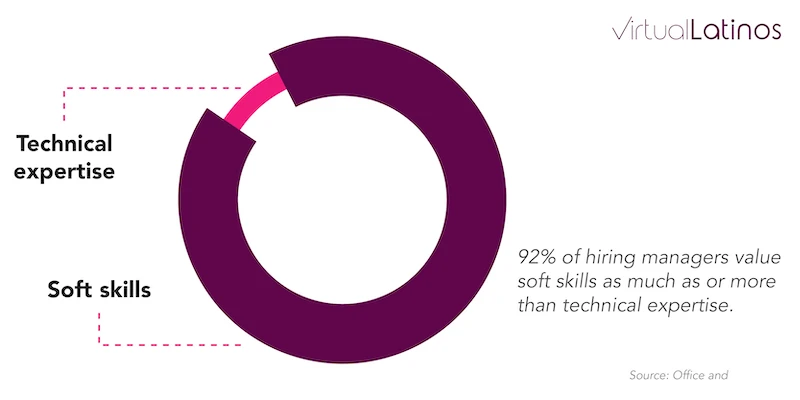
In fact, 92% of hiring managers now say soft skills (like communication, adaptability, teamwork) are just as important—or more important—than technical expertise.
This strong combination of skills is what allows administrative professionals to adapt quickly, solve problems on the fly, and maintain order in even the busiest work environments.
To highlight just how valued these roles have become, the U.S. Bureau of Labor Statistics reports that the median annual wage for secretaries and administrative assistants was $47,460 in May 2024.
This not only underscores their importance but also shows that their evolving responsibilities are being recognized in tangible ways across industries.
In this article, we’ll explore the essential skills every administrative assistant should cultivate to succeed in their role.
From handling data with precision and organizing calendars to fostering teamwork and managing conflicts, these skills form the backbone of effective business operations.
What does an administrative assistant do?
An Administrative assistant handles a variety of tasks that keep office operations running smoothly. Their duties include scheduling meetings, organizing files, managing calendars, and handling correspondence.
For example, they might arrange a weekly team meeting by sending out invitations, preparing the agenda, and setting up the conference room or virtual meeting space.
They also often greet visitors, answer phone calls, and ensure that office supplies are stocked. This role is crucial for maintaining organization and facilitating efficient communication within an office.
Essential Skills of an Administrative Assistant
Administrative assistants play a vital role in ensuring that office operations are conducted smoothly and efficiently.
he role of an administrative assistant is multifaceted, requiring a broad range of administrative assistant skills that enable them to manage numerous tasks effectively.
Below, we explore these essential skills in detail, highlighting how each contributes to the success and functionality of any office environment.
These skills are not only crucial for administrative assistants but also for administrative professionals at all levels,
Effective communication:
One of the most critical administrative assistant skills is the ability to communicate effectively.
This includes both verbal and written communication. Administrative assistants often serve as a communication hub in the office, requiring them to convey information accurately and succinctly through emails, phone calls, and in-person discussions.
For instance, they might be tasked with composing and sending professional correspondence or taking detailed minutes during meetings.
Organizational abilities:
Exceptional organizational skills are another cornerstone for administrative assistants. They are often responsible for managing schedules, which involves prioritizing tasks and adhering to deadlines.
This could mean arranging meetings, coordinating travel itineraries, or managing an executive’s calendar to ensure optimal time use.
Additionally, keeping records organized is vital, whether maintaining digital databases or physical files, to ensure that important information is readily available when needed.
Problem-solving skills:
Administrative assistants must also excel in problem-solving. They frequently face unexpected challenges and need to be proactive in resolving issues before they escalate.
This requires a keen ability to anticipate potential problems and implement solutions swiftly.
Resourcefulness plays a significant part here; being able to devise effective solutions quickly, often with limited resources, is a valuable skill that ensures continuous workflow and office productivity.
Attention to detail:
The skill of attention to detail is crucial for administrative assistants as it impacts every aspect of their daily tasks. Precision is needed whether they are entering data, managing appointments, or preparing reports.
A small error in data entry or a miscommunication in scheduling can cause significant disruptions.
Administrative assistants must meticulously check their work to ensure complete accuracy and consistency.
Technical proficiency:
Administrative assistants require a high level of technical proficiency to perform their duties effectively.
Mastery of the Microsoft Office Suite, including essential tools like Word, Excel, PowerPoint, and Outlook, is crucial for document creation, data analysis, and presentation preparations.
These programs are the backbone of office software suites that are daily tasks in this role.
Additionally, skills in managing databases and performing basic data analysis are critical as they frequently need to generate reports and maintain accurate records.
Multitasking abilities:
Effective multitasking is a defining capability for administrative assistants. This role typically involves juggling various responsibilities simultaneously.
An administrative assistant may need to switch focus rapidly among tasks such as answering phones, responding to emails, and updating schedules without losing productivity or focus. Prioritizing these tasks based on urgency and importance is key to managing a complex daily workload without letting anything fall through the cracks.
This skill ensures that all critical tasks receive the attention they need in a timely manner.
Adaptability and flexibility:
Adaptability and flexibility are indispensable traits for administrative assistants, especially in a fast-paced work environment.
Changes can occur swiftly, be it in office procedures, technology, or team needs, and assistants must adjust quickly.
This might involve adopting new software, altering workflow processes, or managing unexpected tasks. Additionally, a readiness to learn and the ability to embrace new challenges are essential for continued personal and professional growth.

Top Technical Skills for Administrative Assistants
Comprehensive software knowledge
A strong command of office software is crucial for administrative assistants. Proficiency in Microsoft Office is fundamental; this includes using Word to craft documents, Excel for managing data and conducting best financial analysis software, PowerPoint for creating impactful presentations, and Outlook for organizing emails and schedules.
Similarly, familiarity with Google Workspace is increasingly vital, particularly for teams that depend on cloud-based collaboration. Google Docs, Sheets, Slides, and Gmail enable real-time project management and communication.
Data management and effective reporting
Efficient database management is another key area of technical expertise for administrative assistants.
This involves using database software to accurately input, retrieve, and organize information. Additionally, the ability to generate reports is essential.
Digital communication mastery
Being proficient in managing digital communication tools is non-negotiable. This includes handling emails and organizing inboxes efficiently, often using advanced tools like Mailchimp for streamlined email campaigns.
And if you use AI to draft routine replies, an AI Humanizer can help your emails sound more authentic and natural—so messages stay professional, clear, and human without changing the meaning.
Competence in instant messaging and video conferencing tools such as Slack, Microsoft Teams, Zoom, or Skype is also critical to maintain effective remote communications.
Basic IT skills and problem solving
A fundamental understanding of IT and basic troubleshooting is invaluable. Administrative assistants should be capable of identifying and resolving common technical issues with office equipment and networks to prevent prolonged downtime.
Regular software updates and maintenance are also part of this skill set, ensuring that all technological tools are operational and up-to-date.
Document and file organization
Skillful management of electronic files is essential. This includes maintaining organized digital folders, using appropriate naming conventions, and leveraging cloud storage services like Dropbox or Google Drive for enhanced access and collaborative efficiency.
Furthermore, document formatting and design skills play a significant role in enhancing the professional appearance of communications and presentations.
Social media and online presence management
Understanding how to effectively manage social media platforms is increasingly important.
This involves overseeing company profiles on networks like LinkedIn, Facebook, Twitter, or Instagram. Using scheduling tools such as Hootsuite or Buffer to plan and execute consistent content publication is also a critical skill.
Project management proficiency
Familiarity with project management tools like Asana, Trello, or Monday.com is essential for tracking and managing tasks, monitoring progress, and facilitating team collaboration.
Skills in time tracking and resource allocation are also beneficial, helping to optimize project planning and management processes.
The impact of technical proficiency
These technical skills are indispensable for administrative assistants. They not only enhance productivity but also ensure that administrative support tasks are performed with high efficiency and accuracy. Mastery in these areas enables administrative assistants to support their teams effectively and contributes significantly to the operational success of the organization.
Crucial Interpersonal and Soft Skills for Administrative Assistants
To truly excel, administrative assistants need more than technical expertise: they must master interpersonal and soft skills that support collaboration, adaptability, and effective workplace interactions.
Communication skills
Effective communication is essential, covering both clear expression and active listening to ensure smooth interactions with colleagues and clients.
Empathy & emotional intelligence
Empathy and emotional intelligence help create an inclusive workplace, manage stress with professionalism, and strengthen interpersonal relationships.
Adaptability & problem-solving
With adaptability, administrative assistants can respond to organizational changes, while creative problem-solving enables them to deliver quick and effective solutions.
Collaboration & conflict resolution
Strong team collaboration and conflict resolution skills are crucial for maintaining harmony and productivity in the office.
Leadership & proactivity
Occasionally, assistants must demonstrate leadership qualities and stay proactive by anticipating needs and addressing challenges before they arise.
Time management & professionalism
Efficient time management and prioritization, combined with professionalism and discretion, ensure reliability and trust in handling multiple tasks and sensitive information.
In conclusion, these soft skills not only enhance daily performance but also make administrative assistants invaluable assets to any organization.

How Can Business Owners and HR Directors Effectively Assess Administrative Assistant Skills in a Resume?
When reviewing an administrative assistant resume, business owners and HR directors should emphasize the importance of showcasing administrative assistant skills tailored to match the job description.
This includes focusing on identifying key skills that indicate the candidate’s ability to perform effectively in the role.
Spotting relevant skills and experiences
Firstly, look for clear examples of communication, organization, and technical skills. For instance, if a candidate mentions they managed a scheduling system for a busy office, this suggests proficiency in both time management and using relevant software.
Similarly, the inclusion of roles requiring detailed reporting or data management can highlight their technical capabilities.
Evaluating the presentation of the resume itself
The resume format and its content can also be telling. A well-organized resume that is free of errors reflects an applicant’s attention to detail and professionalism—crucial traits for an administrative assistant.
Moreover, the way they describe their experiences can give insights into their communication skills; resumes that are clear, concise, and well-structured suggest a candidate who can effectively relay information.
Looking for quantifiable achievements
Business owners and HR directors should also seek quantifiable achievements that demonstrate the candidate’s ability to contribute to business efficiency.
Examples might include any improvements in office processes they initiated or their role in organizing large-scale meetings and events. These achievements show a candidate’s proactive nature and their ability to prioritize tasks handle responsibilities effectively.
Checking for adaptability and continuous learning
It’s beneficial to check for signs of adaptability and a willingness to learn new skills. This could be indicated by candidates who have experience with a variety of software tools or those who have taken on different roles within an office setting.
By carefully evaluating these aspects of a resume, business owners and HR directors can better identify candidates who not only have the necessary administrative skills but also demonstrate a strong potential to enhance the workplace and adapt to its evolving needs.
Frequently Asked Questions
What are the key skills every administrative assistant should possess?
Every administrative assistant should have strong organizational skills, excellent communication abilities, proficiency in office software (like Microsoft Office and Google Workspace), and effective time management.
What are typical administrative assistant duties?
Administrative assistant duties include scheduling appointments, organizing and maintaining files, handling correspondence, preparing reports and documents, managing databases, and supporting other staff with general clerical and administrative work.
They may also be responsible for greeting visitors, managing office supplies, and arranging travel and accommodations.
How do executive assistant and administrative assistant roles differ?
The main difference between an executive assistant and an administrative assistant lies in the level of responsibility and the scope of their roles.
Executive assistants often support senior-level executives and have duties that involve more in-depth project management, handling more sensitive information, and making higher-stakes decisions.
In contrast, administrative assistants typically provide broader support across departments and focus more on day-to-day office tasks.
What are some effective administrative assistant interview questions?
Effective interview questions for administrative assistants might include:
- Can you describe a time when you improved an office process?
- How do you prioritize your tasks when handling multiple deadlines?
- What office software are you most proficient in, and how have you applied this skill in a professional setting?
- Can you provide an example of a challenging situation you faced and how you resolved it?
- How do you handle confidential information?
How can an administrative assistant demonstrate their communication skills on the job?
An administrative assistant can demonstrate communication skills by efficiently managing both written and verbal interactions.
This includes writing clear and concise emails, effectively handling phone calls, and being an attentive listener. Demonstrating empathy and understanding in communications, especially when dealing with clients or team conflicts, is also crucial.
What are some advanced skills that distinguish a senior administrative assistant from a junior one?
Advanced skills that distinguish a senior administrative assistant might include advanced technical skills like complex data analysis or expert-level proficiency in business software.
Senior assistants might also exhibit stronger project management skills, the ability to oversee and train other staff, and a deeper understanding of business operations which allows them to contribute strategically to organizational goals.
How important is adaptability for an administrative assistant?
Adaptability is extremely important for an administrative assistant, as they often need to manage unexpected changes in their workday or duties.
The ability to quickly shift tasks, learn new skills, and remain effective under changing circumstances is a key trait that can significantly impact their success and efficiency in the role.
Administrative Assistants Skills: The Secret to Productivity
Every thriving organization has one thing in common: reliable professionals working behind the scenes to ensure nothing falls through the cracks. Administrative assistants embody this role perfectly.
Their impact is felt in every department, whether they’re streamlining communication, organizing schedules, handling customer inquiries, or managing essential data. What makes them so indispensable is their ability to combine technical competence with strong interpersonal qualities, creating balance in workplaces that demand agility and precision.
Partnering with Virtual Latinos for your administrative needs
Business owners looking to enhance their operational efficiency and tap into a wealth of talent should consider hiring virtual administrative assistants through a staffing agency.
By choosing Virtual Latinos, you’re opting for a seamless, flexible solution to meet your administrative needs. Whether it’s managing your schedule efficient filing systems, handling customer inquiries, or maintaining your database, the virtual administrative assistants from Virtual Latinos are equipped to handle these tasks with professionalism and efficiency.
Embrace the opportunity to streamline your operations, reduce overhead costs, and foster business growth by contacting with Virtual Latinos for your virtual administrative assistant skills needs.