Hiring the right accountant is no easy feat. From evaluating technical skills and attention to detail to ensuring a good cultural fit, even experienced hiring managers can find the process overwhelming.
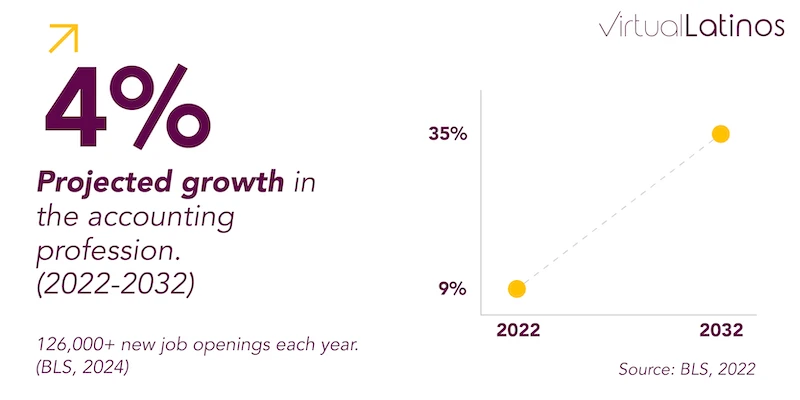
And with the accounting profession projected to grow by 4% between 2022 and 2032, adding more than 126,000 new openings each year (BLS, 2024), the competition for top talent is only intensifying.
Yet despite the flood of applications, 89% of bad accounting hires are due to ineffective interview techniques—not a shortage of candidates. In other words, it’s not just who applies, but how you assess them that makes the difference.
That’s exactly why we created this guide. We’ve compiled the best accounting interview Questions—along with insightful sample answers—to help you go beyond the resume, ask what really matters, and build a high-performing, dependable finance team with confidence.
Increasingly, employers running structured interviews for accounting roles are using AI interview platforms like Peoplebox Nova to ask each candidate the same questions and score answers consistently across hiring managers.
#1. Can You Explain Your Understanding of the Accounting Process?
Understanding the accounting process is fundamental for any accountant. When you ask this question, you’re looking to see if the candidate has a solid grasp of generally accepted accounting principles (GAAP).
What should hiring managers pay attention To?
- Key concepts: Listen for mentions of the accounting cycle, including recording transactions, balancing ledgers, adjusting financial discrepancies, preparing financial statements, and closing the books.
- Accuracy and detail: Ensure they can succinctly describe these steps without hesitation.
- Experience with financial statements: They should mention the balance sheet, income statement, and cash flow statement as part of the process.
Sample answer
“The accounting process involves several key steps, starting with recording financial transactions in the journal and posting them to the ledger.
Then, we prepare trial balances, make adjusting entries, and compile the financial statements such as the income statement, balance sheet, and cash flow statement. Finally, we close the books for the period.”
#2. How Do You Stay Updated With the Current Accounting Laws and Regulations?
Accounting laws and regulations are always evolving. An accountant who stays updated is crucial for compliance and strategic planning.
What should hiring managers pay attention to?
- Sources: The candidate should mention reliable sources like Accounting Today, the International Accounting Bulletin, or other professional journals.
- Continuous learning: Look for mentions of attending webinars, professional courses, or being part of accounting bodies that provide regular updates.
- Practical application: They should explain how they apply new information to their accounting practices.
Sample answer
“I regularly read publications like Accounting Today and attend webinars hosted by the International Accounting Standards Board (IASB).
Additionally, I am a member of the AICPA, which provides frequent updates on new regulations and best practices. I ensure compliance by integrating these updates into our accounting procedures.”
#3. What Accounting Software Are You Familiar With, and How Proficient Are You in Using Them?
Proficiency in accounting software is a must for modern accountants. This question helps you gauge their technical skills and experience with relevant tools.
What should hiring managers pay attention to?
- Specific software: Look for familiarity with industry-standard software such as QuickBooks, SAP, Oracle, and Microsoft Excel.
- Level of proficiency: Candidates should describe their proficiency level, from basic to advanced, and give examples of tasks they’ve performed using these tools.
- Adaptability: Pay attention to their ability to learn new software quickly.
Sample answer
“I have extensive experience with QuickBooks, SAP, and Oracle. In my previous role, I managed accounts payable and accounts receivable using QuickBooks, performed financial analysis with SAP, and handled financial reporting in Oracle.
I’m also proficient in Microsoft Excel, including advanced functions like pivot tables and macros.”
#4. Can You Describe a Challenging Accounting Task You Faced and How You Managed It?
Understanding how a candidate handles challenges gives insight into their problem-solving skills and ability to work under pressure.
What Should Hiring Managers Pay Attention To?
- Specific examples: The candidate should provide a detailed scenario, not just a generic response.
- Problem-solving process: Look for a structured approach to resolving the issue, including who they involved and what resources they used.
- Outcome: They should clearly explain the outcome and any lessons learned.
Sample answer
“At my previous job, we discovered a significant discrepancy during an audit just days before the year-end close. I led a team to identify the source, which was a misposting in accounts payable. We worked overtime, re-verified all entries, and ensured the financial statements were accurate before submission.
This experience reinforced the importance of regular audits and thorough checks.”
#5. How Do You Ensure Accuracy and Reliability in Your Accounting Work?
Accuracy is crucial in accounting and data analysis. This question assesses a candidate’s attention to detail and their systematic approach to ensuring error-free work.
What should hiring managers pay attention to?
- Methodology: Look for descriptions of specific procedures they use, such as reconciliations and audits.
- Tools and techniques: They should mention using accounting software features for error detection and regular reviews.
- Accountability: Pay attention to their commitment to accuracy and their approach to correcting errors when they occur.
Sample answer
“I ensure accuracy in tax accounting by maintaining meticulous records, performing regular reconciliations, and using accounting software tools for error detection.
I also conduct periodic financial reviews and cross-check entries with bank statements. Whenever I identify an error, I trace back through the records to find and correct the source.”
#6. Describe Your Experience With Preparing Financial Statements and Reports
Preparing financial statements and reports is a core responsibility for accountants. This question helps you understand their experience and expertise in this area.
What should hiring managers pay attention to?
- Experience level: Candidates should describe the types of financial statements they’ve prepared, such as balance sheets, income statements, and cash flow statements.
- Technical knowledge: Look for an understanding of the underlying principles and the ability to explain the purpose of each statement.
- Accuracy and timeliness: Ensure they emphasize the importance of accuracy and meeting deadlines.
Sample answer
“I have over five years of experience preparing financial statements, including balance sheets, income statements, and cash flow statements.
I ensure that all entries in financial reports are accurate and comply with GAAP. Additionally, I have implemented reporting systems that streamline the preparation process, ensuring timely and accurate financial reporting.”
#7. How Do You Handle Tight Deadlines and Pressure in Accounting Tasks?
Accounting often involves meeting tight deadlines, especially during financial closings and audits. This question evaluates a candidate’s ability to manage stress and deliver results on time.
What should hiring managers pay attention to?
- Time management: Look for their strategies in managing multiple tasks and prioritizing effectively.
- Stress handling: They should describe techniques for staying calm and focused under pressure.
- Past experiences: Concrete examples from previous roles will demonstrate their capability to handle tight deadlines.
Sample answer
“During tax season, deadlines can be particularly tight. I manage this by prioritizing tasks, creating a detailed schedule, and setting incremental goals.
For example, last year, I successfully managed the year-end close for three bank accounts by breaking down the tasks and collaborating closely with my team. We finished ahead of schedule, which allowed us extra time for a thorough review.”

#8. Have You Ever Identified a Financial Error in a Report? How Did You Handle It?
Mistakes can happen in accounting, and how an accountant handles these errors is crucial. This question reveals their problem-solving skills and attention to detail.
What should hiring managers pay attention to?
- Detection methods: Look for how they identify errors, such as through reconciliations or audits.
- Resolution: They should explain the steps taken to correct the error and prevent future occurrences.
- Communication: Effective communication with stakeholders about the error and its resolution is key.
Sample answer
“While reviewing a quarterly financial report, I noticed a significant discrepancy in the revenue figures. I conducted a thorough audit and discovered an error in the revenue recognition process.
I immediately corrected the entries, informed my supervisor, and implemented a new check procedure to prevent similar errors in the future.”
#9. What Strategies Do You Use for Effective Budget Management?
Budget management is critical for maintaining a company’s financial health. This question assesses a candidate’s ability to plan and manage budgets effectively.
What should hiring managers pay attention to?
- Specific strategies: Look for concrete strategies such as standardizing budget reports or setting realistic budget goals.
- Collaboration: Effective budget management often involves working with various departments. Ensure they emphasize collaboration.
- Results: They should provide examples of successful budget management and its impact on the company’s financial health.
Sample answer
“I use a standardized approach to budget management, ensuring consistency across departments. I collaborate closely with department heads to set realistic budgets and monitor expenditures against these budgets regularly.
For instance, by implementing a more stringent budget monitoring process, I helped reduce our finance department alone’s overspend by 15% last year.”
#10. Can You Discuss Your Experience With Tax Preparation and Compliance?
Tax preparation and compliance are integral to accounting roles. This question explores a candidate’s experience and knowledge in this area.
What should hiring managers pay attention to?
- Experience: Look for detailed descriptions of their experience with tax preparation and compliance.
- Knowledge of regulations: They should demonstrate a solid understanding of current tax laws and regulations.
- Problem-solving: Ask how they handle complex tax issues or changes in tax laws.
Sample Answer
“I have extensive experience in tax preparation and compliance, having managed tax filings for both individuals and corporations. I stay updated on tax laws through continuous education and professional memberships.
Last year, I successfully navigated a complex tax issue involving deferred revenue, ensuring compliance and minimizing the tax liability for my company’s assets.”
#11. What Do You Consider the Most Challenging Aspect of Accounting?
Understanding what candidates find challenging can reveal their self-awareness and areas for potential growth.
What should hiring managers pay attention to?
- Self-awareness: Look for candidates who can honestly assess their strengths and weaknesses.
- Problem-solving: Candidates should demonstrate a proactive approach to overcoming challenges.
- Specific examples: Pay attention to detailed examples that illustrate their experiences and coping mechanisms.
Sample answer
“The most challenging aspect for me is staying updated with frequent changes in tax laws and accounting regulations. To overcome this, I attend regular professional development courses and subscribe to industry journals like Accounting Today to ensure I stay informed.”
#12. How Do You Approach Financial Analysis?
Financial analysis is critical for making informed business decisions. This question assesses a candidate’s analytical skills and experience.
What should hiring managers pay attention to?
- Analytical techniques: Look for detailed descriptions of techniques used, such as ratio analysis, trend analysis, or variance analysis.
- Tools used: Candidates should mention specific software or tools they use for financial analysis.
- Decision-making impact: Ensure they explain how their analysis has influenced business decisions.
Sample answer
“I use a combination of ratio analysis and trend analysis to evaluate a company’s financial health. For instance, in my previous role, I analyzed our cash flow statements and identified areas where we could improve our liquidity. This analysis helped us reduce our working capital requirements by 20%.”
#13. Can You Describe a Time When You Improved an Accounting Process?
Process improvement is vital for efficiency and accuracy in the accounting world. This question explores a candidate’s ability to identify and implement improvements.
What should hiring managers pay attention to?
- Initiative: Look for candidates who take the initiative to identify inefficiencies.
- Implementation: They should describe the steps they took to implement the improvement.
- Results: Pay attention to the tangible results of their efforts, such as increased efficiency or accuracy.
Sample answer
“In my previous role, I noticed our month-end closing process was taking too long due to manual data entry. I proposed and implemented an automated solution using accounting software, which reduced the closing time by 30% and minimized errors.”
#14. How Do You Ensure Compliance With Financial Regulations?
Compliance is critical in accounting to avoid legal issues and maintain financial integrity. This question evaluates a candidate’s knowledge and approach to compliance.
What should hiring managers pay attention to?
- Knowledge of regulations: Look for detailed knowledge of relevant financial regulations and standards.
- Compliance procedures: Candidates should describe specific procedures they follow to ensure compliance.
- Attention to detail: Ensure they emphasize the importance of accuracy and diligence in compliance.
Sample answer
“I ensure compliance by staying updated with the latest regulations and implementing strict internal controls. For example, I regularly review our financial transactions to ensure they comply with GAAP and conduct internal audits to catch any discrepancies early.”
#15. How Do You Handle Discrepancies in Financial Records?
Handling discrepancies effectively is crucial to maintaining accurate financial records. This question assesses a candidate’s problem-solving skills and attention to detail.
What should hiring managers pay attention to?
- Detection methods: Look for their approach to detecting discrepancies, such as regular reconciliations.
- Resolution steps: They should describe a systematic approach to resolving discrepancies.
- Communication: Effective communication with relevant stakeholders about the discrepancies and their resolution is key.
Sample answer
“When I encounter discrepancies in financial records, I first perform a thorough review to identify the source. I then correct the entries and communicate the issue and resolution to my supervisor. For example, I once found a $10,000 discrepancy due to a data entry error, which I corrected by tracing the error back to its source and updating our records accordingly.”
#16. Can You Explain the Difference Between Cash Accounting and Accrual Accounting?
Understanding different accounting methods is fundamental for accountants. This question assesses a candidate’s technical knowledge and ability to explain complex concepts.
What should hiring managers pay attention to?
- Technical knowledge: Look for a clear and accurate explanation of both methods.
- Application: They should describe scenarios where each method is applicable.
- Clarity: Ensure they can explain the concepts clearly and concisely.
Sample answer
“Cash accounting records transactions when cash changes hands, making it simpler and often used by small businesses. Accrual accounting records transactions when they are incurred, regardless of cash flow, providing a more accurate picture of financial health. For instance, revenue is recorded when earned under accrual accounting, even if payment hasn’t been received.”
#17. How Do You Communicate Complex Financial Information to Non-Financial Stakeholders?
Effective communication is essential for accountants, especially when dealing with stakeholders who may not have a financial background.
What should hiring managers pay attention to?
- Clarity and simplicity: Look for candidates who can break down complex information into simple terms.
- Engagement: They should describe strategies for engaging their audience.
- Examples: Pay attention to specific examples of how they’ve successfully communicated complex information in the past.
Sample answer
“I use analogies and visual aids to simplify complex financial information. For example, when explaining our company’s financial position to non-financial managers, I use charts and graphs to illustrate trends and break down terms like ‘net income’ and ‘working capital’ into more relatable concepts.”

#18. What Experience Do You Have With Project Management in Accounting?
Project management skills can be crucial for large accounting projects or implementations. This question assesses a candidate’s organizational and leadership abilities.
What should hiring managers pay attention to?
- Specific projects: Look for detailed descriptions of projects they’ve managed.
- Leadership and organization: They should describe their role, how they organized the project, and how they led their team.
- Results: Ensure they highlight the outcomes and any improvements made.
Sample answer
“I managed the implementation of a new ERP system at my previous company. This involved coordinating with different departments, setting timelines, and ensuring all team members were trained on the new system. The project was completed on time and under budget, and it significantly improved our financial reporting capabilities.”
#19. How Do You Approach Developing and Implementing Financial Controls?
Strong financial controls are essential for preventing fraud and ensuring accurate financial reporting. This question evaluates a candidate’s ability to develop and implement these controls.
What should hiring managers pay attention to?
- Knowledge of controls: Look for detailed knowledge of different types of financial controls.
- Implementation: They should describe their approach to implementing these controls.
- Effectiveness: Pay attention to examples of how these controls have improved financial accuracy and security.
Sample answer
“I develop financial controls by first assessing the current processes and identifying any risks or weaknesses. I then design and implement controls such as segregation of duties, regular audits, and approval processes for significant transactions. At my last job, implementing these controls reduced errors and prevented potential fraud.”
#20. How Do You Manage and Prioritize Multiple Tasks With Competing Deadlines?
Accountants often have to juggle multiple tasks and deadlines. This question assesses a candidate’s time management and organizational skills.
What should hiring managers pay attention to?
- Prioritization: Look for their approach to prioritizing tasks based on importance and deadlines.
- Time management: They should describe specific time management techniques they use.
- Examples: Pay attention to examples from their previous experience that demonstrate their ability to manage multiple tasks effectively.
Sample answer
“I prioritize tasks by deadlines and importance, using a combination of to-do lists and calendar reminders. For instance, during the year-end close, I break down tasks into manageable steps and allocate specific times for each. This approach helps me stay organized and ensures that I meet all deadlines.”
#21. How Do You Approach Training and Mentoring Junior Accountants?
Training and mentoring are essential for building a strong accounting team. This question evaluates a candidate’s leadership and teaching abilities.
What should hiring managers pay attention to?
- Training methods: Look for detailed descriptions of their training methods.
- Mentoring approach: They should describe their approach to mentoring and supporting junior accountants.
- Examples: Pay attention to specific examples of successful training or mentoring experiences.
Sample answer
“I believe in hands-on training and continuous feedback. I start with a structured onboarding process, followed by regular check-ins and training sessions. For example, I mentored a junior accountant by pairing them with more experienced team members and providing regular feedback on their work, which significantly improved their skills and confidence.”
#22. How Do You Ensure the Accuracy of Financial Data When Using Enterprise Resource Planning (ERP) Systems?
ERP systems are vital for managing financial data in large organizations. This question assesses a candidate’s experience and proficiency with ERP systems.
What should hiring managers pay attention to?
- Experience with ERP systems: Look for detailed descriptions of the ERP systems they’ve used.
- Data accuracy: They should describe specific measures they take to ensure data accuracy.
- Problem-solving: Pay attention to examples of how they’ve resolved data accuracy issues in the past.
Sample answer
“I ensure data accuracy in ERP systems by implementing strict data entry protocols and regular audits. I have extensive experience with SAP and Oracle, where I developed validation rules and automated checks to catch errors early. In my previous role, these measures reduced data entry errors by 25%.”
#23. How Do You Handle Financial Reporting for Multiple Business Units or Subsidiaries?
Handling financial reporting for multiple business units or subsidiaries requires strong organizational and analytical skills. This question assesses a candidate’s experience in this area.
What should hiring managers pay attention to?
- Experience level: Look for detailed descriptions of their experience with multi-unit financial reporting.
- Organizational skills: They should describe their approach to organizing and consolidating financial data.
- Accuracy and timeliness: Pay attention to their methods for ensuring accurate and timely reporting.
Sample answer
“I have extensive experience managing financial reporting for multiple business units. I use consolidation software to streamline the process and ensure accuracy. For instance, at my previous company, I coordinated the monthly financial reporting for five subsidiaries, ensuring all data was accurate and submitted on time.”
#24. How Do You Approach Budgeting and Forecasting?
Budgeting and forecasting are critical for financial planning. This question assesses a candidate’s experience and skills in this area.
What should hiring managers pay attention to?
- Methodology: Look for detailed descriptions of their budgeting and forecasting methodology.
- Tools used: They should mention specific tools or software they use.
- Accuracy and realism: Pay attention to their approach to ensuring budgets and forecasts are accurate and realistic.
Sample answer
“I approach budgeting and forecasting by analyzing historical data and current market trends. I use software like Adaptive Insights for creating detailed budgets and forecasts. For example, I created a rolling forecast that was updated quarterly, which helped the company stay agile and adjust to market changes quickly.”
#25. How Do You Stay Informed About Changes in Accounting Standards and Regulations?
Staying informed about changes in accounting standards and regulations is crucial for compliance. This question assesses a candidate’s commitment to continuous learning.
What should hiring managers pay attention to?
- Continuous learning: Look for their commitment to staying updated through continuous learning.
- Resources used: They should describe the resources they use to stay informed.
- Application: Pay attention to how they apply their knowledge to their work.
Sample answer
“I stay informed about changes in accounting standards and regulations by attending professional development courses, subscribing to industry publications like the Journal of Accountancy, and participating in webinars. I also regularly review updates from the FASB and IASB to ensure our practices are compliant.”
The Benefits of Interviewing Well for Accountant Roles
A strong interview performance can make all the difference in landing an accounting role, whether you are aiming to become a certified public accountant or securing your first position in accounts receivable.
Showcasing technical expertise
When asked about basic accounting principles, balance sheets, or how a statement shows financial health, your responses should highlight both accuracy and clarity.
Employers want to see that you understand the fundamentals and can apply them in real-world contexts. Confidence in discussing different accounting software platforms also signals that you’re ready to integrate seamlessly into the team.
Proving you’re a good fit
Beyond technical knowledge, hiring managers assess whether you’re a good fit for the organization. They evaluate your ability to explain complex concepts simply and work collaboratively with others.
By preparing thoughtful questions and answers, you show initiative and signal that you’re genuinely interested in the role and company.
Opening the door to career growth
Interviewing well goes beyond just securing a job—it sets the stage for long-term success. Demonstrating your mix of accounting knowledge, problem-solving ability, and adaptability to tools like modern accounting software gives employers confidence in your potential for growth.
Unlock Better Hires: How Strong Interviews Build Your Accounting Dream Team
At the end of the day, interviewing well isn’t just about candidates proving they know basic accounting, balance sheets, or how a statement shows financial health.
It’s also about ensuring you identify the right mix of accounting knowledge, problem solving skills, and cultural alignment that makes someone a truly good fit.
With Virtual Latinos, you can simplify that process. Our platform helps you find talent with proven expertise—from handling accounts receivable to mastering modern accounting software—so you can focus on asking the right questions and answers that reveal the best professionals for your team.
Ready to take the guesswork out of interviews and build a reliable finance team? Use our best accounting interview questions to go beyond the resume, uncover true expertise, and make smarter hiring decisions. Book a free call now.