
Great remote leaders don’t just manage from a distance; they inspire trust, drive real results, and build teams that thrive no matter where they work. It starts with the right habits, the right mindset, and a commitment to leading with both strategy and heart.
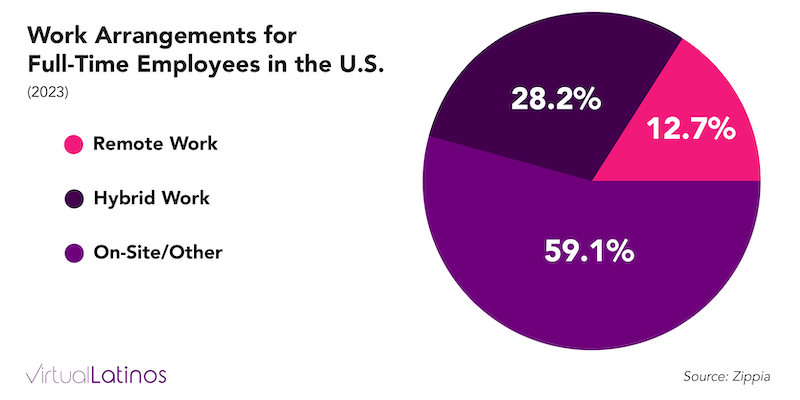
Remote work isn’t slowing down, and neither should your leadership. The shift brings real challenges, sure, but also massive opportunities to build stronger, more flexible teams. This shift in work dynamics is reflected in recent data from Zippia, which shows that in 2023,12.7% of full-time employees in the U.S. worked remotely, while 28.2% operated in a hybrid arrangement.
The good news? You don’t need to reinvent the wheel. By adopting a few strategic habits, you can unlock higher performance, deeper collaboration, and real momentum, even when your team is scattered across time zones.
Let’s dive into 10 proven habits that will help you lead with clarity, build trust across screens, and turn your remote team into a high-performing powerhouse.
Key Takeaways
- Trust is Essential: Building trust through transparency and empowerment is the foundation of any successful remote team.
- Master Asynchronous Work: Effective leaders use tools and flexible scheduling to manage global time zone differences.
- Leverage the Right Tech Stack: Use a mix of video, instant messaging, and project management tools to maintain collaboration.
- Prioritize Well-being: Encourage work-life boundaries and emotional intelligence to prevent burnout and foster a positive culture.
- Commit to Growth: Continuous learning and regular feedback loops are critical for evolving in a remote landscape.
How to Lead Remote Teams
Leading a distributed team means creating clarity, setting priorities, expectations, and communication rhythms that everyone can trust, no matter where they log in from.
Remote leadership is an evolving discipline that goes beyond simply overseeing employees working from home. It requires a deep understanding of the unique dynamics involved in managing virtual teams, which often span different time zones, cultures, and work styles.
Remote leaders must demonstrate a level of adaptability and flexibility that traditional leaders might not require. Unlike in-office leadership, remote work demands leaders to be more proactive in their communication and more supportive of their teams’ needs.
Why? Because remote work strips away those hallway conversations, quick desk check-ins, and coffee breaks where real connection happens. Without them, you have to be intentional about building trust and keeping communication flowing.
The best remote leaders? They’re strategic, yes, but they’re also human. They pay attention to how their team members work best, and they create space for both collaboration and independence.
Here are the 10 habits that will help you lead your remote team with confidence, clarity, and real results in 2026:
1. Build Trust with Remote Workers
Trust is the cornerstone of any successful remote team. Without the ability to physically check in on employees, remote leaders must take deliberate actions to cultivate trust.
That means being crystal clear about what you expect, checking in regularly with real feedback (not just status updates), and making sure your team knows they can reach you when they need to.
Checking in more often, whether through daily stand-ups or quick Slack huddles, keeps communication flowing and shows you’re invested in your team’s success.
Want to build trust fast? Be transparent. Share the why behind decisions, admit when you don’t have all the answers, and keep your team in the loop, even when the news isn’t perfect.
Give your team real ownership over their work. When people can make decisions without waiting for approval on every detail, they feel trusted, and they perform better.
And don’t skip the check-ins. Regular one-on-ones keep communication clear, catch problems early, and remind your team that you’re paying attention.
2. Manage Time Zone Differences
Time zones can be a nightmare. When your team is scattered across continents, even scheduling a simple meeting becomes a puzzle. But with the right approach, you can make it work. Different working hours can delay communication, making it difficult to keep everyone in sync.
- Async-first docs to capture decisions, context, and next steps
- Video recordings so teammates can review updates on their own time
- Response-time SLAs to set clear expectations for replies
- Rotating meeting times to share the inconvenience fairly
The fix? Plan, and be smart about it. Use tools like Google Calendar to schedule meetings at times that are convenient for everyone.
And yes, sometimes you’ll need to hop on a call at 7 a.m. or 9 p.m. to meet someone halfway. That’s the reality of global teams, but it’s worth it when you’re working with the right people.
Asynchronous communication becomes an essential practice in remote leadership. Tools like Slack or email let you communicate with your team without them needing to be online at the same time.
By setting clear guidelines for response times, you can maintain workflow continuity despite time zone differences.
3. Foster a Positive Remote Culture
Remote culture doesn’t build itself. You have to create it, intentionally and consistently.
Start with the basics: virtual coffee chats, online team games, or even a monthly happy hour over Zoom. These aren’t just ‘nice to have’, they’re how you keep people connected.
And don’t underestimate the power of recognition. A simple shout-out in Slack, a thank-you message, or a small bonus can go a long way in making people feel valued.
Celebrating milestones, whether personal (birthdays or work anniversaries) or professional (successful project completions), is essential to maintaining a positive remote company culture. This ensures employees feel valued and connected to the team, even when working remotely.

4. Embrace Technology for Remote Work
Without the right tools, remote leadership falls apart fast. You can’t build trust, track progress, or keep communication flowing if your tech stack is a mess. Without the right tools, communication, collaboration, and productivity can quickly falter. You don’t need to be a tech wizard, but you do need to know your way around the tools that keep your team connected and productive. Just as important, make sure everyone is on the same systems so files, chats, and project updates never get lost in platform overload.
Video conferencing tools like Zoom or Google Meet are crucial for face-to-face meetings and maintaining that personal connection. Instant communication tools like Slack or Microsoft Teams allow for quick communication and collaboration.
Cloud-based file-sharing platforms such as Google Drive and Dropbox are indispensable for document collaboration and for ensuring that all team members have access to the latest materials.
Additionally, project management tools such as Asana and Basecamp allow leaders to assign tasks, track deadlines, and monitor progress seamlessly.
When you use the right tools the right way, everything gets easier, communication flows, projects stay on track, and your team actually gets more done.
5. Balance Professional and Personal Lives
Remote work has a dark side: it’s way too easy to let work bleed into your personal life. One minute you’re answering emails at 10 p.m., the next you’re working weekends without realizing it. Remote leaders must encourage a healthy work-life balance, both for themselves and their teams.
The fix starts with you. Set clear work hours and stick to them. Log off when you say you will. And make it clear to your team that you expect them to do the same. For example, if you’re available for work from 9 a.m. to 6 p.m., make it clear that after hours are reserved for personal time.
Allowing flexible remote work hours can also help employees feel more in control of their schedules, leading to higher satisfaction and less burnout.
Promoting self-care is equally important. Encourage team members to take breaks, use their vacation days, and disconnect when needed. A healthy work-life balance directly correlates with improved job satisfaction and long-term productivity.
6. Provide Feedback and Coaching
Your team can’t grow if they don’t know where they stand. Regular feedback, both positive and constructive, keeps people motivated, aligned, and improving. Regular feedback helps employees understand their strengths and areas for improvement, which boosts motivation and job satisfaction.
Remote leaders can provide feedback via video calls, which allow for more personal interaction than text-based communication. It’s important to give both positive and constructive feedback in a clear, actionable, and supportive way.
Coaching is an essential part of this process. By helping remote workers overcome challenges and develop their skills, leaders ensure that employees grow professionally and feel supported in their roles.
7. Prioritize Continuous Learning
Remote work isn’t standing still, and neither should you. The tools, strategies, and best practices are always changing, which means continuous learning isn’t optional.
One way to achieve this is by using digital learning platforms such as LinkedIn Learning or Coursera. These platforms offer courses in leadership, communication, and technology, which can help remote leaders enhance their skills.
Attending webinars or virtual conferences also provides opportunities to network and learn from other remote leaders.
It’s also important to encourage continuous improvement within your team. Foster a culture of learning by offering employees opportunities to upskill and providing resources for professional development, such as Virtual Latinos Academy.
8. Promote Emotional Intelligence
Emotional intelligence is crucial for connecting with team members in a remote environment. Leaders must be aware of their own emotions and learn to interpret emotional cues from their team through messages, emails, or video calls.
Showing empathy, understanding concerns, and acting tactfully helps create a positive and supportive work environment.
Additionally, fostering emotional intelligence within the team is equally important. Encourage open communication where team members feel comfortable expressing their thoughts and emotions without fear of judgment.
Provide training or resources to help them improve self-awareness, empathy, and interpersonal skills. This strengthens individual contributions and also enhances team dynamics, leading to better collaboration, conflict resolution, and overall productivity in a remote setting.

9. Foster Transparency and Clear Communication
In remote leadership, clear and transparent communication is essential. Regularly sharing company goals, project progress, and challenges ensures that all team members are aligned and engaged. Additionally, it fosters an environment where remote employees feel valued and part of the decision-making process.
To enhance transparency, leaders can adopt tools like shared dashboards or project management platforms, allowing team members to track progress and see how their contributions align with broader objectives.
Encouraging open forums for feedback and questions, such as virtual town halls or regular team check-ins, can also build trust and ensure that communication flows in both directions.
This empowers remote employees to voice their ideas and concerns, and creates a sense of ownership and accountability within the team.
10. Embrace Flexibility and Adaptability
Remote work throws curveballs. Tech fails, priorities shift, and team members face personal challenges. The best leaders? They roll with it, adjusting plans, finding solutions, and keeping the team moving forward. Being flexible and open to adjusting plans or strategies demonstrates resilience and helps the team navigate challenges with confidence.
Additionally, fostering a culture of adaptability within your team encourages innovation and problem-solving. When team members feel empowered to suggest alternative approaches or pivot when necessary, it not only enhances efficiency but also builds a more collaborative and proactive remote work environment.
By leading with flexibility, you set the tone for overcoming obstacles and seizing opportunities in a dynamic remote setting.
Frequently Asked Questions
How often should you check in with a remote team?
A quick daily stand-up keeps everyone aligned, and a longer weekly meeting lets you tackle roadblocks in depth.
On top of that, regular one-on-ones (weekly or biweekly) help you catch issues early and keep trust strong.
What’s the simplest way to track remote productivity without micromanaging?
Focus on outcomes, not screen time. Set clear goals, define what “done” looks like, and agree on deadlines and success metrics.
Then use a shared project board or dashboard, so progress is visible to everyone, without constant check-ins or surveillance tools.
How do you manage time zone differences when scheduling meetings?
Identify a two-to-three-hour “overlap window” where most of your team can meet, and schedule your core meetings there when possible.
For anything outside that window, rotate meeting times, share agendas in advance, and record sessions so teammates who can’t attend can still stay in sync.
Which tools can help a remote team stay connected?
You only need four categories: video conferencing (like Zoom or Google Meet), instant communication (like Slack or Microsoft Teams), file sharing (like Google Drive or Dropbox), and project management (like Asana or Basecamp).
The key is keeping your stack simple and consistent, so your team always knows where to find updates, files, and decisions.
How can you prevent burnout and protect work–life balance in a remote team?
Set clear “offline” hours, encourage short breaks, and normalize using vacation days without guilt.
You can also reduce fatigue by building in no-meeting blocks and modeling healthy boundaries yourself; your team will follow your lead.
Elevate Your Team’s Success
Remote leadership isn’t just a trend; it’s the future of work. And mastering it means adopting the right habits, building the right culture, and leading with both strategy and heart.
To excel in this evolving landscape, adopting the right habits is essential for building trust, fostering collaboration, and driving productivity.
By embracing adaptability, leveraging technology, and prioritizing clear communication, remote leaders can create an environment where remote teams not only perform but thrive. As you implement these strategies, remember that leadership is a journey of continuous growth.
If you’re a business owner juggling client work, team management, and growth strategy, all while trying to find reliable remote help, you’re not alone. Many entrepreneurs in legal, healthcare, real estate, and consulting have been burned by freelancers who overpromise and underdeliver. That’s why finding proactive, culturally aligned professionals who actually get your business isn’t just nice to have, it’s essential for scaling without burning out.
Why Latin American Talent Changes the Game for Remote Leadership: When you partner with Virtual Latinos, you’re not just hiring remote help; you’re gaining access to bilingual professionals who understand U.S. business culture, work in aligned time zones, and bring the warmth, initiative, and excellence that Latin America is known for. This isn’t just outsourcing. It’s building a team that feels like family, one that’s committed to your success for the long haul.
Ready to take your remote leadership skills to the next level? Partner with Virtual Latinos to access a diverse pool of talented virtual professionals and lead a high-performing remote team.